A harvested piña contains the raw material for tequila. At the producing distillery, cooking, extraction, fermentation and distillation turn that agave heart into the spirit behind Don Santos.
Cooking and extraction
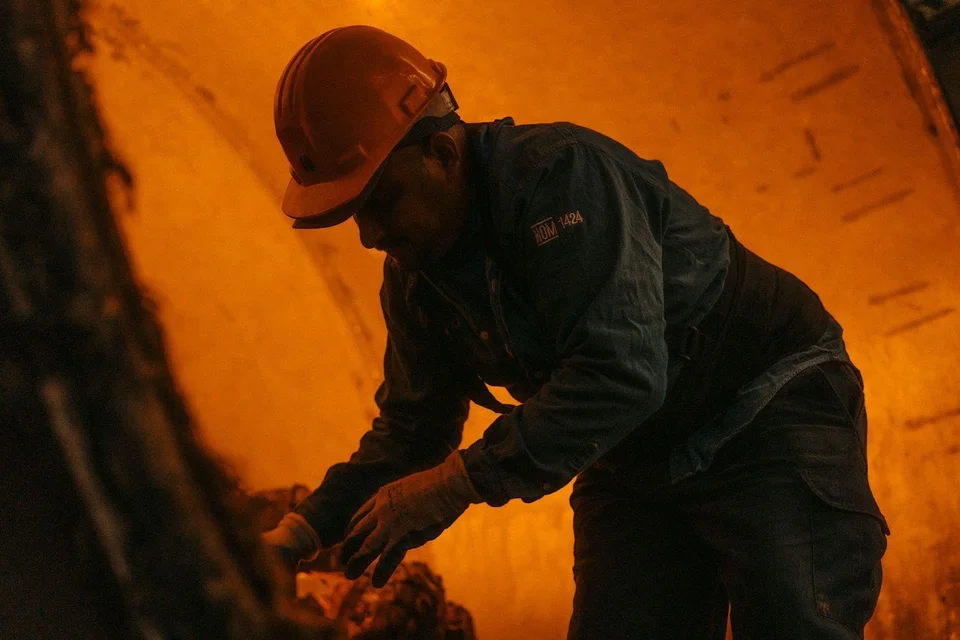
The piñas are cooked in traditional masonry ovens. Heat breaks down stored carbohydrates into sugars that yeasts can use during fermentation. This is a practical purpose behind the oven’s place in the process, as well as part of the development of cooked-agave character.
The cooked material is then milled. Extraction releases the sugar-bearing juice and prepares it for the next transformation.
Fermentation creates the next chapter
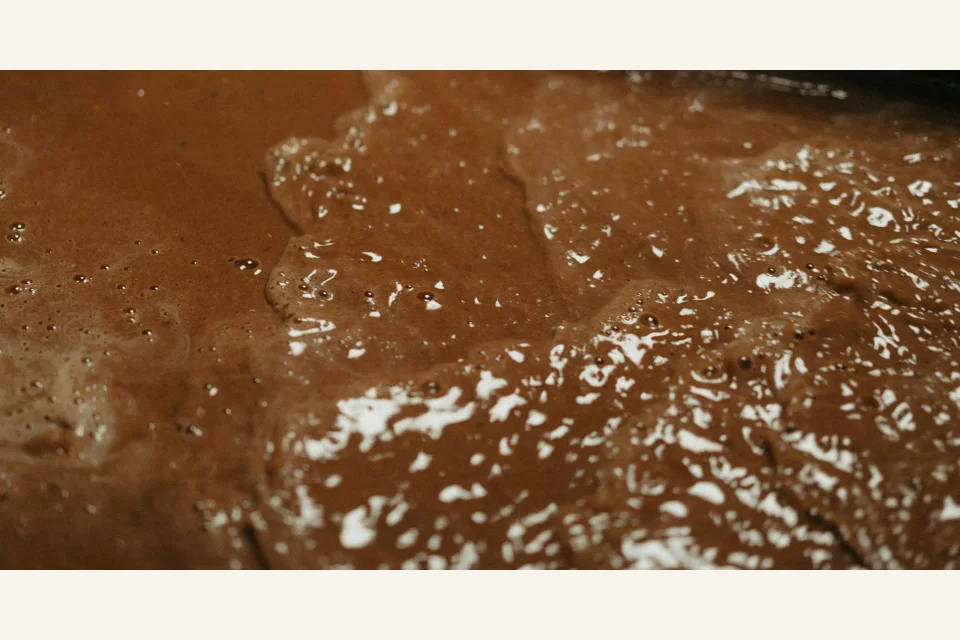
Wild and cultivated yeasts convert agave sugars into alcohol. Aromatic compounds develop alongside that conversion, contributing to the emerging profile.
Distillation refines the spirit
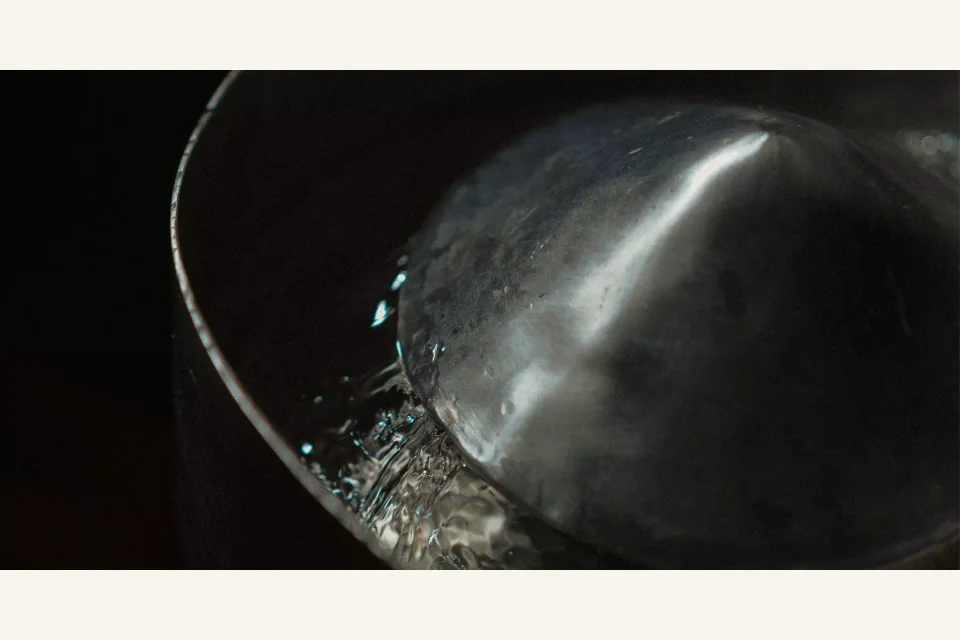
Don Santos is distilled twice in traditional pot stills. Distillation concentrates and separates components of the fermented liquid; the distiller’s decisions help establish balance and character.
Blanco remains unaged. Reposado and Añejo continue into American oak, where maturation adds another influence.